Understanding the Mold Remediation Process: A Step-by-Step Guide
What is Mold Remediation?
Definition and Importance
Mold remediation is the process of removing mold and preventing its return. It's crucial because mold can cause serious health issues and structural damage to your home. Understanding this process helps you act quickly and effectively.
Common Causes of Mold Growth
Mold thrives in damp, humid environments. Common causes include water leaks, poor ventilation, and high humidity levels. By addressing these issues, you can prevent mold from taking hold.
Signs You Need Mold Remediation
Visual Indicators
Visible mold growth, especially black or green spots on walls, ceilings, or floors, is a clear sign that you need remediation.
Health Symptoms
Mold exposure can cause respiratory issues, allergies, and other health problems. Read about the best Residential Mold Remediation. If you or your family experience these symptoms, mold could be the culprit.
Musty Odors
A persistent musty smell often indicates hidden mold. If your home has this odor, it's time to investigate further.
The Risks of Ignoring Mold
Health Hazards
Ignoring mold can lead to severe health issues, including asthma, infections, and long-term respiratory problems.
Structural Damage
Mold can weaken structures, leading to costly repairs. It can damage wood, drywall, and other building materials.
Financial Consequences
The longer mold is left untreated, the more expensive remediation and repairs become. Early action can save you money.
Initial Assessment and Inspection
Hiring a Professional Inspector
A certified mold inspector can accurately assess the extent of mold growth and recommend the best course of action.
What to Expect During the Inspection
Inspectors will look for signs of mold, moisture sources, and potential hidden mold. They may take air and surface samples for testing.
Testing for Mold
Testing confirms the type and concentration of mold present, guiding the remediation process.
Containment Measures
Sealing Off the Affected Area
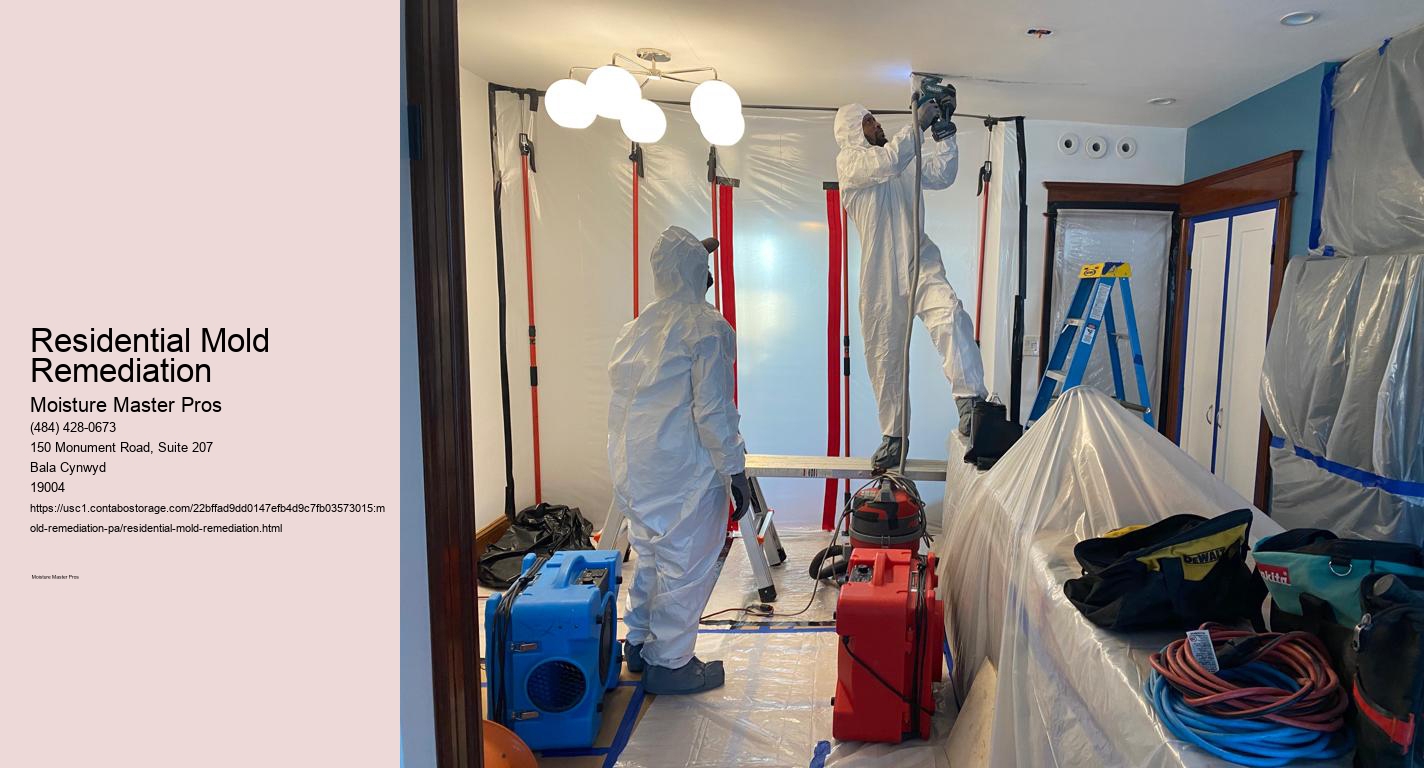
Containment prevents mold spores from spreading to unaffected areas. Professionals use plastic sheeting and other barriers.
Preventing the Spread of Mold Spores
Negative air pressure and air scrubbers help contain and filter out mold spores during remediation.
Air Filtration
HEPA Filters
High-Efficiency Particulate Air (HEPA) filters capture mold spores from the air, improving indoor air quality.
Improving Indoor Air Quality
Air purifiers and ventilation systems further enhance air quality by reducing mold spores and other pollutants.
Removing Mold-Infested Materials
Safe Removal Practices
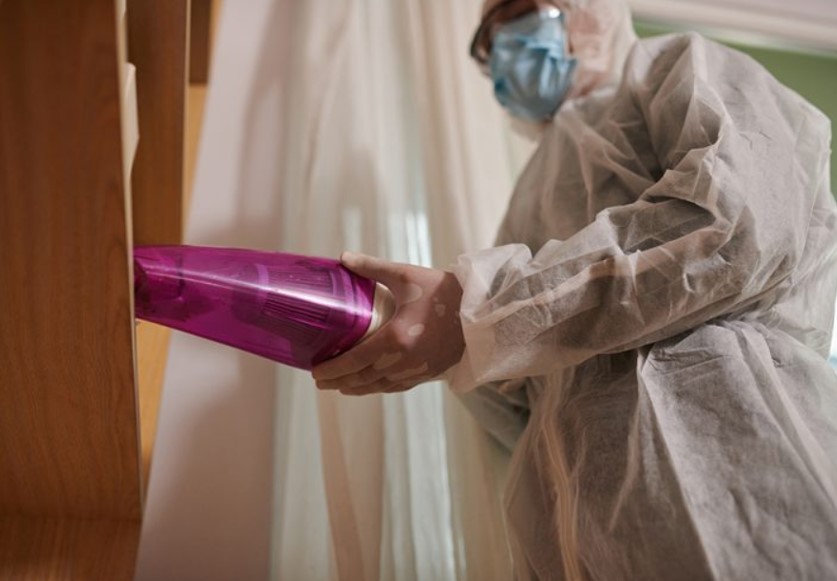
Professionals wear protective gear and use specialized tools to safely remove mold-infested materials.
Disposing of Contaminated Materials
Proper disposal ensures that mold doesn't spread to other areas or return after remediation.
Cleaning and Disinfecting
Using EPA-Approved Products
EPA-approved disinfectants effectively kill mold and prevent its return. Professionals choose the right products for each situation.
Cleaning Different Surfaces
Different surfaces require different cleaning methods. Indoor environmental quality Porous materials might need to be discarded, while non-porous surfaces can be cleaned and disinfected.
Drying the Area
Importance of Thorough Drying
Completely drying the area prevents mold from returning. Moisture control is key to long-term mold prevention.
Techniques and Equipment Used
Dehumidifiers, air movers, and other equipment speed up the drying process and ensure thorough moisture removal.
Repairs and Restoration
Replacing Damaged Structures
After remediation, damaged structures like drywall and flooring need to be replaced to restore your home.
Preventive Measures for Future Mold Growth
Use mold-resistant materials and improve ventilation to prevent future mold issues. Regular inspections help catch problems early.
Post-Remediation Inspection
Ensuring Complete Mold Removal
A post-remediation inspection confirms that all mold has been removed and the area is safe.
Clearance Testing
Clearance testing ensures that mold levels are back to normal and the remediation was successful.
Preventing Mold Recurrence
Controlling Humidity Levels
Keep indoor humidity below 60% using dehumidifiers and proper ventilation to prevent mold growth.
Regular Maintenance Tips
Regularly inspect your home for leaks, maintain proper ventilation, and address moisture issues promptly.
DIY vs. Professional Mold Remediation
Pros and Cons of DIY
DIY remediation can be cost-effective but is often less thorough. Professionals have the expertise and equipment to ensure complete removal.
When to Call a Professional
If the mold covers more than 10 square feet, or if you have health issues, call a professional for safe and effective remediation.
Conclusion
Recap of the Mold Remediation Process
Mold remediation involves assessment, containment, removal, cleaning, drying, and restoration. Each step is crucial for effective mold removal and prevention.
Final Thoughts and Recommendations
Understanding the mold remediation process helps you act quickly to protect your health and home. If you suspect mold, don't hesitate to seek professional help. Regular maintenance and moisture control are key to preventing mold recurrence.
Top Signs You Need Mold Remediation in Your Philadelphia Home
Understanding Mold and Its Impact
What is Mold?
Mold is a type of fungus that thrives in damp, humid environments. It can be found both indoors and outdoors, and while it's a natural part of the environment, it becomes problematic when it starts growing inside your home. Mold reproduces by releasing tiny spores into the air, which can then settle on surfaces and begin to grow if conditions are right.
Health Risks Associated with Mold
Mold exposure can lead to various health issues, especially for those with allergies, asthma, or weakened immune systems. Common symptoms include coughing, sneezing, skin rashes, itchy eyes, and respiratory problems. Prolonged exposure to mold can exacerbate these conditions and even lead to more severe health problems like chronic sinus infections or lung infections.
Common Places Mold Grows in Homes
Basements and Crawl Spaces
These areas are notorious for mold growth due to their high humidity levels and poor ventilation. Water seepage from the ground, leaks, or condensation can create a perfect breeding ground for mold. Regularly inspecting and waterproofing these areas can help prevent mold issues.
Bathrooms and Kitchens
Bathrooms and kitchens are prone to mold due to the constant presence of moisture. Leaky faucets, pipes, and poor ventilation can cause water to accumulate, providing an ideal environment for mold. Using exhaust fans and promptly fixing leaks can mitigate mold growth in these areas.
Attics and Roofs
Poor ventilation, roof leaks, and condensation can lead to mold growth in attics. Insulating and ventilating your attic properly, as well as regularly checking for roof leaks, can prevent mold from taking hold in these spaces.
Top Signs You Need Mold Remediation
Persistent Musty Odor
A constant musty smell in your home is often a telltale sign of mold. Even if you can't see it, mold could be lurking behind walls, under floors, or in other hidden areas. If you notice a persistent musty odor, it's time to investigate further and consider professional mold remediation.
Visible Mold Growth
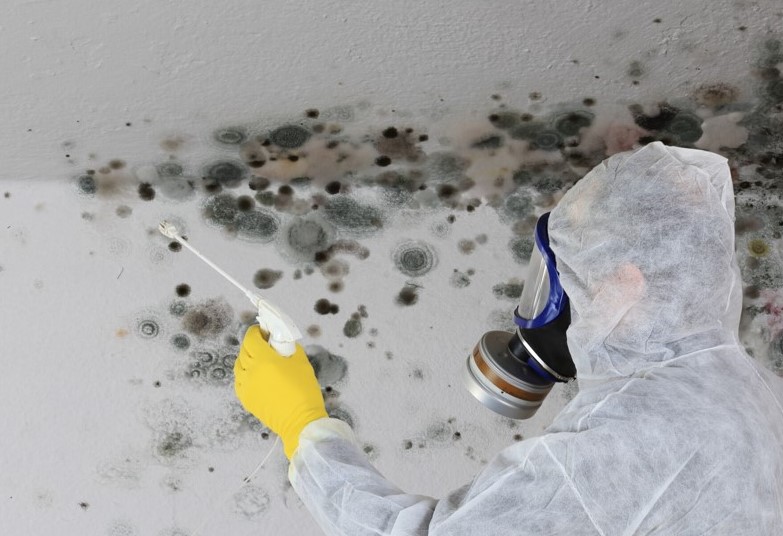
Seeing mold on walls, ceilings, or other surfaces is a clear indicator that you need remediation. Mold can appear in various colors, including black, green, white, or even orange. Don't ignore visible mold, as it can quickly spread and cause more significant problems.
Water Damage and Stains
Water stains on walls, ceilings, or floors are signs of a moisture problem, which can lead to mold growth. EPA guidelines for mold If you notice water damage or stains, it's crucial to address the underlying issue and check for mold.
Allergic Reactions and Respiratory Issues
If you or your family members experience unexplained allergic reactions, such as sneezing, itchy eyes, or respiratory issues, mold could be the culprit. Pay attention to symptoms that worsen when you're at home and improve when you leave. This pattern often indicates a mold problem.
Peeling Paint and Wallpaper
Moisture behind walls can cause paint and wallpaper to peel or bubble. This is a sign that there could be mold growth behind the surface. If you notice this issue, it's essential to investigate further.
Warped Walls and Floors
Excessive moisture can cause walls and floors to warp or buckle. This not only indicates a moisture problem but also suggests the potential for mold growth. If you see these signs, it's time to call in the professionals.
Why Mold Remediation is Essential
Protecting Your Health
Mold remediation is crucial for protecting your health. By removing mold, you can reduce the risk of allergic reactions, respiratory problems, and other health issues associated with mold exposure.
Preventing Structural Damage
Mold can cause significant structural damage to your home. It can weaken walls, floors, and ceilings, leading to costly repairs. Addressing mold issues promptly can prevent further damage and save you money in the long run.
Maintaining Property Value
Mold can negatively impact your property's value. Prospective buyers are likely to be deterred by mold problems, which can affect your ability to sell your home. Mold remediation helps maintain your property's value and appeal.
Steps in the Mold Remediation Process
Initial Inspection and Assessment
The first step in mold remediation is a thorough inspection and assessment of the affected areas. Professionals will identify the extent of the mold growth and the underlying moisture issues.
Containment and Air Filtration
To prevent the spread of mold spores during the remediation process, containment measures are put in place. This often involves sealing off the affected area and using air filtration systems to capture mold spores.
Mold Removal and Cleaning
The next step is the actual removal of mold. This can involve removing contaminated materials, cleaning surfaces, and using specialized treatments to kill mold spores.
Repair and Restoration
After the mold is removed, any damaged structures are repaired and restored. This might include replacing drywall, insulation, or other materials.
Final Inspection and Testing
A final inspection ensures that all mold has been removed and that the area is safe. This might include air quality testing to confirm that mold spore levels are within safe limits.
Choosing a Professional Mold Remediation Service in Philadelphia
What to Look For in a Mold Remediation Company
When choosing a mold remediation company, look for certified professionals with experience in mold removal. Check for positive reviews, proper licensing, and insurance coverage.
Questions to Ask Before Hiring
Before hiring a remediation company, ask about their process, experience, and guarantees. Inquire about their methods for containing and removing mold, as well as their follow-up procedures to ensure mold doesn't return.
Conclusion
If you notice any signs of mold in your Philadelphia home, it's crucial to take action promptly. Mold remediation is essential for protecting your health, preventing structural damage, and maintaining your property's value. By understanding the signs of mold and the steps involved in remediation, you can ensure your home remains a safe and healthy environment. Don't wait until the problem worsens—reach out to a professional mold remediation service today to address any mold issues and keep your home mold-free.
The Health Risks of Mold and Why Remediation is Essential
Introduction
Hey there! Let's talk about something that might be lurking in your home right now—mold. It's not just an ugly sight or a musty smell; mold can pose serious health risks if not dealt with promptly. In this article, we're diving deep into the dangers of mold and why it's so crucial to tackle it head-on with proper remediation.
Understanding Mold
What is Mold?
Mold is a type of fungus that thrives in damp, warm environments. It's nature's recycler, breaking down dead organic material. But when it invades your home, it becomes a nuisance and a health hazard.
Common Types of Mold Found Indoors
Not all mold is created equal. Some common indoor molds include Cladosporium, Penicillium, and the notorious Stachybotrys, also known as black mold. Each has its own characteristics and potential health impacts.
Where Mold Grows
Mold loves moisture. You'll often find it in bathrooms, basements, kitchens, and around leaks or water damage.
Health Risks Associated with Mold
Allergic Reactions
One of the most immediate and common effects of mold exposure is allergic reactions. These can range from mild to severe, depending on your sensitivity and the amount of mold present.
Symptoms of Mold Allergies
If you find yourself sneezing, coughing, or having itchy eyes and skin, mold might be the culprit. Symptoms can mimic those of hay fever or other allergies, making it tricky to pinpoint the exact cause without proper testing.
Respiratory Issues
Breathing in mold spores isn't just annoying; it can be downright dangerous, especially for those with pre-existing respiratory conditions.
Asthma and Mold Exposure
For asthma sufferers, mold can be a serious trigger. Exposure can lead to more frequent attacks and worsen symptoms. It's not something to take lightly if you or a family member has asthma.
Chronic Health Problems
Beyond immediate allergic reactions, long-term exposure to mold can lead to chronic health issues that are far more concerning.
Mold and Chronic Inflammatory Response Syndrome (CIRS)
CIRS is a condition where the body's immune system goes haywire in response to mold and other biotoxins. Symptoms include fatigue, headaches, joint pain, and memory issues. It's a serious condition that requires medical attention.
Mold Toxins
Mold doesn't just affect you through spores; it also produces toxins that can have severe health impacts.
Mycotoxins and Their Effects
Mycotoxins are toxic compounds produced by certain molds. They can cause neurological problems, immune system suppression, and even cancer in severe cases. These toxins are particularly dangerous because they can be inhaled, ingested, or absorbed through the skin.
Importance of Mold Remediation
Given the health risks, it's clear that dealing with mold isn't just about cleaning up; it's about protecting your health and your home.
Preventing Health Problems
The primary goal of mold remediation is to remove mold and prevent health issues. By addressing mold promptly, you can avoid the cascade of health problems that come with prolonged exposure.
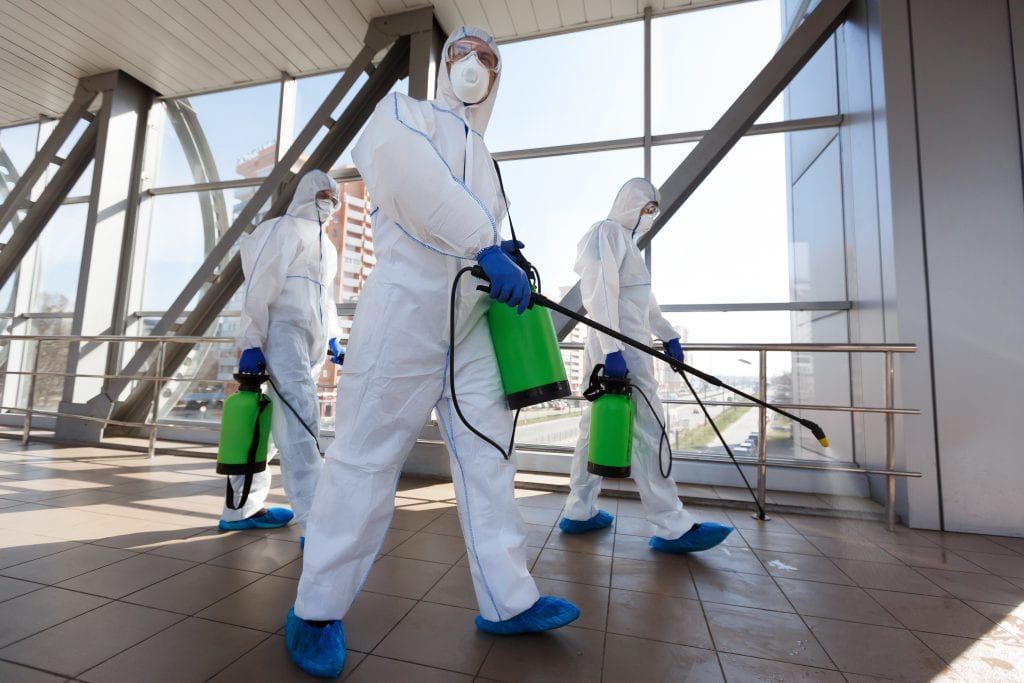
The duration of mold remediation in Philadelphia, PA, can range from a few hours to several days, depending on the severity of the mold infestation and the size of the area being treated. Moisture Master Pros aims to complete the remediation process efficiently while ensuring thorough mold removal and cleanup.
Whether you can stay in your home during mold remediation depends on the severity of the mold problem and the extent of the work being done. Moisture Master Pros will advise you based on your specific situation. In many cases, it is safe to remain in your home with certain areas sectioned off.