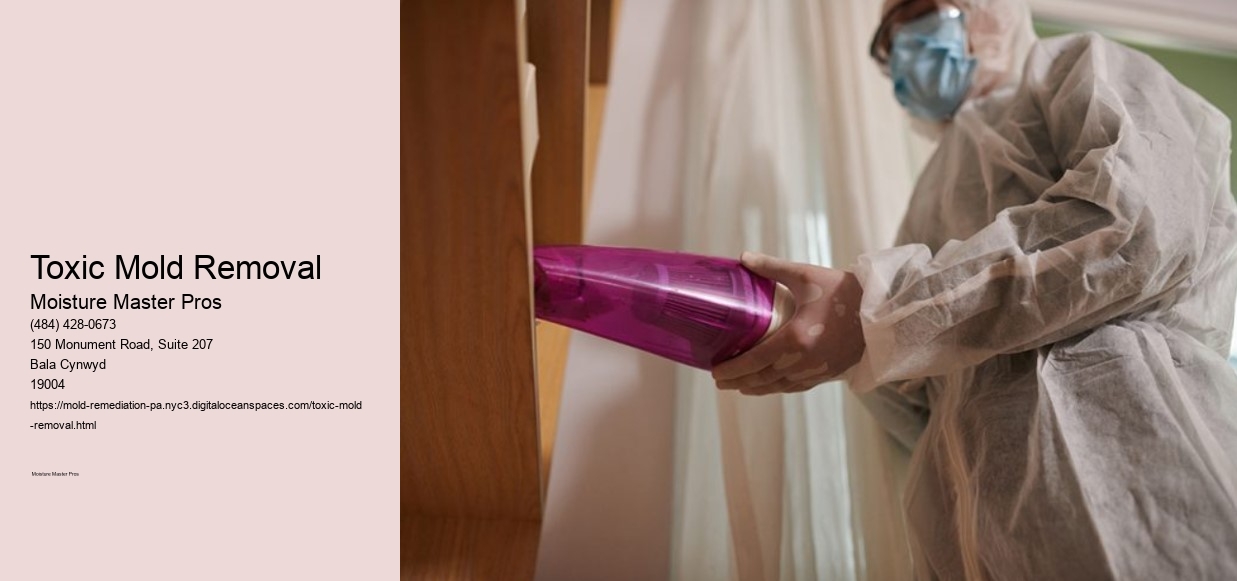
Dealing with Insurance Claims
Work closely with your insurance provider when filing mold damage claims. Keep detailed records of remediation efforts and expenses to support your claim.
Environmental Considerations
Mold affects indoor air quality and can impact the environment. Choose eco-friendly mold remediation methods and products whenever possible to minimize environmental harm.
Community Resources and Support
During recovery, seek assistance from local disaster relief organizations and community support networks. They can provide valuable resources and emotional support during this challenging time.
Conclusion
In conclusion, addressing mold after a flood requires swift action and thoroughness. By following these steps—assessing damage, calling professionals, ensuring thorough cleanup, and implementing preventive measures—you can minimize mold damage, protect your health, and restore your home or business effectively. Read about the best Toxic Mold Removal. Remember, acting promptly can make all the difference in mitigating the impact of mold after a flood.
Mold Remediation in Historic Homes: Challenges and Solutions
Historic homes exude charm and character, but they also pose unique challenges when it comes to mold remediation. Mold, a common issue in older buildings, not only threatens the structural integrity of these homes but also poses health risks to occupants. In this comprehensive guide, we'll delve into the specific challenges of mold remediation in historic homes and explore effective solutions to preserve both the structure and its historical significance.
Introduction
Mold remediation in historic homes requires a delicate balance between preserving architectural integrity and ensuring a safe living environment. As these homes often feature aged materials and unique construction methods, addressing mold infestations requires specialized knowledge and techniques.
Understanding Mold in Historic Homes
Historic homes are susceptible to mold growth due to several factors, including their age, building materials, and sometimes inadequate ventilation. Common types of mold found in these properties include Aspergillus, Penicillium, and Stachybotrys chartarum (black mold). Understanding these molds is crucial for effective remediation strategies.
Challenges Specific to Historic Homes
One of the primary challenges in mold remediation for historic homes lies in their intricate architecture and building materials. Unlike modern buildings, historic homes may use porous materials like plaster, wood, and even horsehair in construction, which can harbor mold deep within their structures.
Health Risks Associated with Mold
Mold infestations in historic homes can lead to various health issues, particularly for individuals with respiratory conditions or weakened immune systems. Symptoms may include allergies, asthma exacerbation, and in severe cases, fungal infections.
Signs of Mold Infestation
Identifying mold in historic homes requires a keen eye for both visible signs (e.g., discoloration, musty odors) and hidden indications (e.g., moisture stains behind walls). Advanced detection tools such as infrared cameras and moisture meters can aid in pinpointing hidden mold growth.
Planning and Preparation
Effective mold remediation begins with a thorough assessment and inspection of the property. Professionals conduct comprehensive tests to determine the extent of the mold infestation and develop a tailored remediation plan that balances preservation with effective mold removal.
Environmental healthSafety Measures During Remediation
Safety is paramount during mold remediation to protect both occupants and workers. Personal protective equipment (PPE), including respirators, gloves, and eye protection, is essential. Additionally, containment barriers and negative air pressure systems prevent mold spores from spreading to unaffected areas.
Tools and Techniques for Mold Removal
Mechanical methods such as scrubbing and vacuuming, coupled with chemical treatments like antimicrobial agents, are commonly used in mold removal. High-efficiency particulate air (HEPA) filtration systems ensure that airborne mold spores are effectively captured during remediation.
Preserving Historic Integrity
Preserving the historical integrity of these homes during remediation is crucial. Techniques such as gentle cleaning, minimal invasive procedures, and using compatible materials help maintain the original character while mitigating mold.
Preventing Future Mold Growth
Long-term mold prevention in historic homes involves addressing underlying moisture issues. Proper ventilation, regular inspections, and prompt repairs of leaks or water ingress points are key to preventing mold recurrence.
Working with Preservation Experts
Collaboration with historic preservation specialists is essential for successful mold remediation in historic homes. These experts understand the unique challenges posed by historic properties and can recommend preservation-friendly remediation strategies.
Legal and Insurance Considerations
Navigating legal requirements and insurance coverage for mold remediation in historic homes requires attention to detail. Understanding local regulations, obtaining necessary permits, and verifying insurance coverage for mold-related damages are crucial steps.
Cost Considerations
The cost of mold remediation in historic homes varies based on factors such as the extent of the infestation, property size, and remediation methods used. Budgeting for professional services and necessary repairs is essential for effective mold removal.
Case Studies and Success Stories
Examining successful mold remediation projects in historic homes provides valuable insights into best practices and lessons learned. Real-world examples highlight innovative approaches that balance preservation goals with effective mold mitigation strategies.
Conclusion
In conclusion, mold remediation in historic homes requires a meticulous approach that prioritizes both preservation and safety. By understanding the unique challenges posed by these properties and employing specialized techniques, homeowners can effectively restore their historic homes while safeguarding against mold infestations. Collaboration with experienced professionals and adherence to preservation guidelines are essential for achieving successful outcomes in mold remediation efforts.
Environmental Impacts of Mold and the Importance of Remediation
Mold is more than just an unsightly nuisance; it poses significant environmental risks that can affect both indoor and outdoor spaces. Understanding these impacts is crucial for effective remediation and maintaining environmental health.
Introduction
Mold growth in indoor environments is a common occurrence, often fueled by moisture and poor ventilation. While it's known for causing damage to building materials and triggering health problems in occupants, its environmental consequences are equally concerning.
What is Mold?
Mold refers to various types of fungi that thrive in moist environments. These organisms reproduce through spores, which are airborne and can settle on surfaces to initiate new growth. Common indoor molds include Aspergillus, Penicillium, and Stachybotrys chartarum (black mold).
Health Risks Associated with Mold
Exposure to mold can lead to a range of health issues, from mild allergic reactions to severe respiratory problems. Those with allergies or asthma are particularly vulnerable, as mold spores can exacerbate symptoms and lead to chronic conditions over time.
Environmental Impacts of Mold
Effects on Indoor Air Quality
Mold spores can significantly degrade indoor air quality, especially in enclosed spaces with poor ventilation. Inhalation of spores can cause respiratory irritation and other health complications, affecting the well-being of occupants.
Impact on Building Materials
Mold growth can compromise the structural integrity of buildings by consuming organic materials such as wood, drywall, and insulation.
Mold and Ecosystems
While indoor mold is problematic, outdoor mold plays a vital role in ecosystems by decomposing organic matter. However, excessive mold growth due to human activities can disrupt natural balances, affecting plants, animals, and soil health.
Factors Contributing to Mold Growth
Moisture and Humidity Levels
High humidity levels and water leaks create ideal conditions for mold growth indoors. Addressing moisture sources promptly is essential to prevent mold colonization and minimize environmental impact.
Poor Ventilation and Building Design
Inadequate ventilation traps moisture indoors, promoting mold growth in areas with limited airflow. Proper building design considerations, including ventilation systems, are critical for reducing mold risk and improving environmental quality.
Signs of Mold Infestation
Identifying mold early is crucial for effective remediation and minimizing environmental impact. Visual signs such as discoloration and musty odors often indicate hidden mold growth, necessitating thorough inspection and testing.
Importance of Prompt Mold Remediation
Preventing Further Damage
Timely mold remediation prevents its spread to unaffected areas, limiting damage to building materials and reducing environmental contamination. Early intervention is key to mitigating long-term environmental and health risks.
Mitigating Health Risks
Prompt removal of mold reduces indoor air pollution and lowers the risk of respiratory ailments among occupants. Professional remediation services ensure thorough cleanup and restoration to restore environmental quality.
Methods of Mold Remediation
Effective mold remediation involves comprehensive strategies tailored to the extent of contamination and affected surfaces. Professional remediation services utilize advanced techniques and equipment to safely remove mold and prevent recurrence.
Environmental Responsibility in Mold Management
Sustainable Remediation Practices
Adopting eco-friendly remediation practices minimizes environmental impact, from using biodegradable cleaning agents to responsibly disposing of contaminated materials. Sustainable approaches prioritize environmental stewardship alongside effective mold control.
Disposal of Contaminated Materials
Proper disposal of mold-contaminated materials prevents spore dissemination and environmental pollution. Compliance with disposal regulations ensures safe handling and minimizes adverse impacts on ecosystems.
Educational and Regulatory Initiatives
Awareness Campaigns and Resources
Educational initiatives raise awareness about mold hazards and prevention strategies among homeowners, tenants, and building managers. Accessible resources provide guidance on mold testing, remediation best practices, and health implications.
Building Codes and Mold Prevention Guidelines
Regulatory standards enforce building codes that incorporate mold prevention measures into construction practices.
Case Studies and Real-Life Examples
Examining successful mold remediation projects highlights effective strategies and lessons learned in environmental impact reduction. Case studies demonstrate the importance of proactive remediation in preserving indoor and outdoor environmental quality.
Cost Considerations
Economic Impact of Mold Damage
The financial burden of mold damage extends beyond repair costs to include lost property value and increased insurance premiums. Investing in proactive mold prevention and timely remediation minimizes long-term financial repercussions.
Cost-Benefit Analysis of Remediation
Evaluating the costs versus benefits of mold remediation underscores its value in safeguarding environmental health and occupant well-being. Prioritizing prevention and early intervention yields substantial savings in restoration and healthcare expenses.
Future Trends in Mold Remediation
Advancements in Technology and Research
Ongoing research and technological advancements drive innovation in mold detection, remediation techniques, and environmental monitoring. Emerging technologies promise more efficient and sustainable solutions for managing mold-related challenges.
Predictions for Mold Management Practices
Anticipated trends in mold management focus on integrated approaches that combine preventive measures, advanced remediation technologies, and regulatory compliance. Future practices aim to enhance environmental resilience and minimize mold's ecological footprint.
Conclusion
Understanding the environmental impacts of mold underscores the importance of proactive remediation and sustainable management practices. By addressing moisture sources, promoting indoor air quality, and adopting eco-friendly remediation methods, stakeholders can mitigate environmental risks and safeguard community health. Take action today to protect your environment from the detrimental effects of mold and ensure a healthier tomorrow.
The Legal Aspects of Mold Remediation for Property Owners
Introduction
Understanding the legal aspects of mold remediation is crucial for property owners who are faced with mold issues. Mold can pose serious health risks and legal liabilities if not properly managed. This article explores the legal responsibilities, regulatory framework, liability issues, insurance considerations, and best practices that property owners should be aware of when dealing with mold remediation.
Understanding Legal Responsibilities
Property owners have a legal duty of care to maintain safe premises for occupants. Neglecting mold issues can lead to legal consequences, including lawsuits for negligence. It's essential for property owners to understand their responsibilities and take proactive measures to address mold problems promptly.
Regulatory Framework for Mold Remediation
Mold remediation is regulated at both federal and state levels. The Environmental Protection Agency (EPA) sets guidelines and standards for mold remediation practices. State-specific regulations vary, and property owners must comply with local laws regarding mold assessment, remediation procedures, and disclosure requirements.
Liability and Insurance Coverage
Property owners may face liability for mold damage if negligence or improper maintenance contributes to mold growth. Liability lawsuits can result in significant financial losses, highlighting the importance of maintaining adequate insurance coverage. Understanding insurance policies, exclusions, and limitations is crucial for mitigating risks associated with mold remediation.
Legal Procedures and Documentation
During mold remediation, property owners should follow legal procedures and maintain proper documentation. Professional assessments, remediation reports, and clear contractual agreements with remediation companies are essential to protect property owners from legal disputes and ensure compliance with regulations.
Environmental and Health Considerations
Mold can have adverse health effects on occupants, leading to legal implications for property owners. There are also environmental considerations regarding mold contamination and disposal of mold-infested materials. Property owners must address these issues responsibly to prevent legal repercussions and safeguard public health.
Emerging Legal Issues and Trends
Legal developments in mold litigation and regulatory changes can impact property owners' responsibilities and liabilities. Staying informed about new legal developments and trends is crucial for maintaining compliance and minimizing legal risks associated with mold remediation.
Case Studies and Examples
Examining real-life scenarios of mold litigation provides valuable insights into the legal complexities that property owners may face. Case studies illustrate the outcomes of mold-related lawsuits and offer lessons for property owners on risk management and legal preparedness.
Best Practices for Property Owners
To mitigate mold-related risks, property owners should implement preventive measures such as regular inspections, prompt remediation of water damage, and proper ventilation. Proactive maintenance not only reduces the likelihood of mold growth but also enhances legal protections for property owners.
Conclusion
In conclusion, understanding the legal aspects of mold remediation is essential for property owners to navigate potential liabilities and compliance requirements effectively. By adhering to regulatory standards, maintaining comprehensive insurance coverage, and adopting best practices in mold prevention and remediation, property owners can mitigate legal risks and protect their investments.
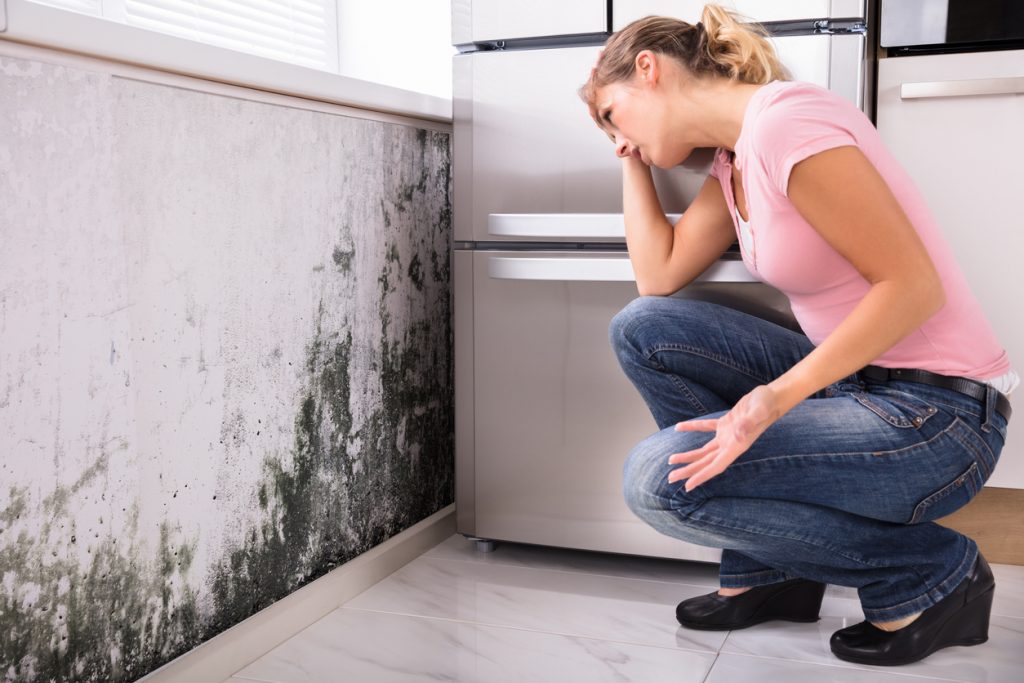
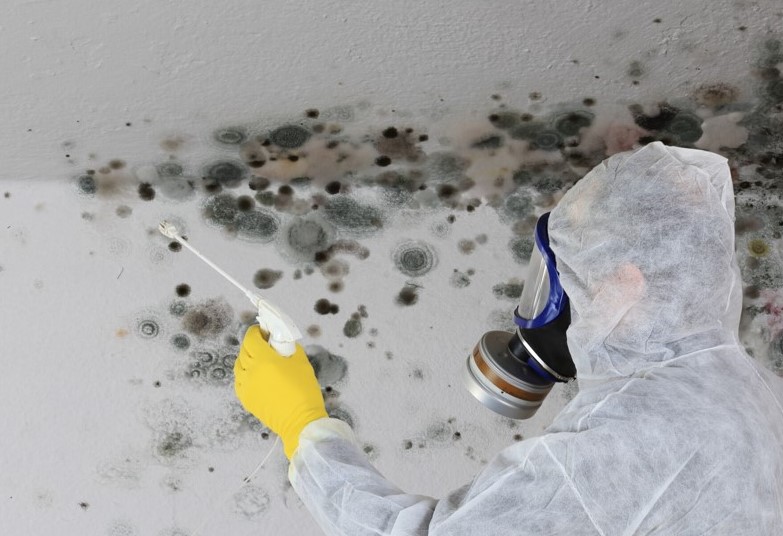
Future Trends in Mold Remediation: What to Expect in the Industry
Mold remediation is a critical aspect of maintaining healthy indoor environments, especially as awareness of its impact on health grows. As the industry evolves, new trends and technologies are shaping the way professionals approach mold detection, removal, and prevention. Fungal growth This article explores the future of mold remediation, highlighting key advancements and predictions that are set to revolutionize the field.
Introduction
Mold, a common issue in buildings worldwide, poses significant health risks and structural concerns. Effective remediation not only improves indoor air quality but also safeguards property value and occupant well-being. The ongoing advancements in mold remediation techniques and technologies are poised to enhance efficiency and efficacy in tackling this persistent problem.
Current Challenges in Mold Remediation
Mold remediation professionals face various challenges, from identifying hidden mold growth to addressing the underlying moisture issues causing it. Environmental and health concerns further complicate remediation efforts, necessitating comprehensive solutions that go beyond surface treatments.
Advancements in Technology
AI and Machine Learning: Artificial intelligence and machine learning are revolutionizing mold detection processes. These technologies analyze vast amounts of data to identify mold patterns and predict potential growth areas, enabling proactive remediation strategies.
IoT and Smart Sensors: Internet of Things (IoT) devices and smart sensors play a crucial role in real-time monitoring of indoor air quality and moisture levels. This proactive approach helps detect mold growth at its early stages, minimizing damage and remediation costs.
Green Solutions and Sustainability
In response to growing environmental awareness, the mold remediation industry is shifting towards eco-friendly practices. Biodegradable mold removal products and sustainable remediation techniques reduce environmental impact while ensuring effective mold control.
Regulatory Changes and Compliance
Updates in Standards: Regulatory bodies continuously update mold remediation standards to reflect current research and best practices. Compliance with these standards is essential for maintaining industry credibility and ensuring safe remediation practices.
Impact of Regulations: Stringent regulations regarding mold remediation practices influence industry norms and service delivery. Adhering to these regulations enhances professionalism and ensures high-quality outcomes for clients.
Emerging Techniques in Mold Detection
Air Quality Monitoring: Advanced air quality monitoring systems detect mold spores and other indoor pollutants, providing real-time data for remediation planning. These systems integrate with HVAC systems to improve indoor air quality continuously.
Use of Drones and Thermal Imaging: Drones equipped with thermal imaging cameras enable professionals to identify moisture sources and hidden mold growth in large or inaccessible areas. This technology expedites inspection processes and enhances accuracy in mold detection.
Innovative Remediation Methods
High-Efficiency Filtration Systems: HEPA filtration systems capture mold spores and other contaminants, preventing their spread during remediation activities. These systems improve indoor air quality during and after remediation processes.
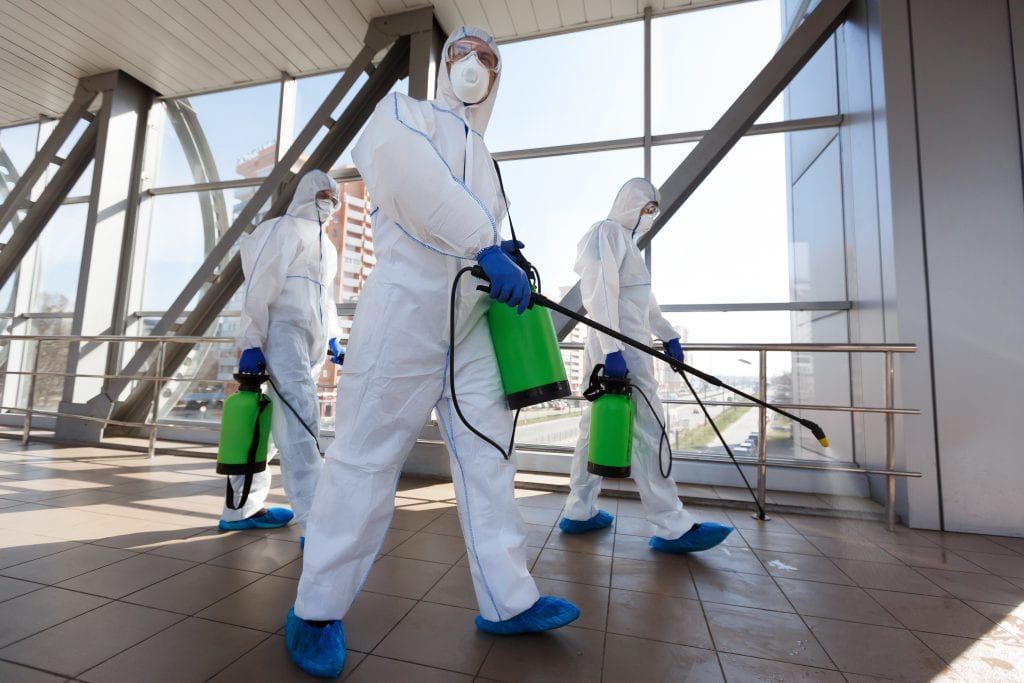
Electrostatic Disinfection Techniques: Electrostatic sprayers apply disinfectants with a positive charge, allowing them to adhere to surfaces and effectively eliminate mold and bacteria. This method ensures thorough coverage and enhances remediation outcomes.
Health and Safety Measures
Protective Equipment: Advanced personal protective equipment (PPE) safeguards remediation professionals against mold exposure and respiratory hazards. Proper use of PPE is crucial for mitigating health risks during remediation operations.
Worker Safety Protocols: Comprehensive safety protocols and training programs educate workers on potential hazards and safe remediation practices. Emphasizing safety minimizes accidents and promotes a healthy work environment.
Customer Education and Awareness
Importance of Homeowner Education: Educating homeowners about mold prevention strategies and early warning signs empowers them to maintain mold-free environments. Awareness campaigns and DIY prevention tips foster proactive mold management practices.
Global Market Trends
Growth of Mold Remediation Services: The demand for professional mold remediation services is rising globally, driven by increased awareness of health risks and stricter property maintenance standards. Regional variations in climate and building practices influence service delivery and market dynamics.
Collaboration with Other Industries: Partnerships with insurance providers and home inspection services streamline the remediation process and ensure comprehensive property assessments. Collaborative efforts enhance service quality and customer satisfaction.
Future Predictions by Experts
Forecasts for the Next Decade: Industry experts predict continued advancements in mold detection technologies and remediation methods. Remediation protocols Innovations in materials science and sustainability are expected to shape the future of mold remediation practices globally.
Technological Advancements: Emerging technologies such as nanotechnology and advanced materials hold promise for developing more effective mold-resistant building materials and remediation products. These innovations aim to prevent mold growth before it becomes a problem.
Challenges and Opportunities
Addressing Industry Challenges: Overcoming technological barriers and regulatory complexities remains a challenge for the mold remediation industry. Innovations in training and certification programs are essential for addressing these challenges and ensuring industry growth.
Business Growth Opportunities: The expanding market for mold remediation services presents lucrative opportunities for businesses that adopt innovative technologies and sustainable practices. Investing in research and development can lead to competitive advantages in the evolving market landscape.
Training and Certification Programs
Importance of Professional Development: Continuous training and certification programs enhance the skills and expertise of mold remediation professionals. Accredited certifications validate competency and ensure compliance with industry standards.
Certifications for Mold Remediation Specialists: Recognized certifications, such as those offered by industry associations and regulatory bodies, validate expertise in mold assessment, remediation techniques, and safety protocols. These certifications are crucial for career advancement and industry credibility.
Conclusion
In conclusion, the future of mold remediation is characterized by technological innovation, sustainability, and enhanced regulatory compliance. As the industry evolves, professionals must embrace new technologies and practices to meet growing demands for safe and effective mold control solutions. By staying informed about emerging trends and investing in training, mold remediation specialists can position themselves at the forefront of this dynamic and essential field.
Mold remediation is required when mold growth is visible, when there is a musty odor, or when individuals experience health symptoms such as allergies or respiratory issues. If you suspect mold in your home, it's crucial to contact Moisture Master Pros for an inspection to prevent further health risks and property damage.
Mold remediation is highly effective when performed by professionals like Moisture Master Pros. By thoroughly removing mold and addressing the source of moisture, we ensure long-term protection against mold recurrence and safeguard your health and property.
The cost of mold remediation in Philadelphia, PA, can vary widely depending on the extent of the mold problem, the size of the affected area, and the complexity of the job. For a more accurate estimate, contact Moisture Master Pros for a comprehensive assessment and detailed quote.
Mold remediation is the process of identifying, removing, cleaning, and treating mold-infested areas to restore a healthy living environment. At Moisture Master Pros, we use specialized equipment and techniques to ensure thorough and safe mold removal, preventing future mold growth and protecting your health.
Mold remediation entails identifying and addressing the source of moisture that caused the mold growth, containing the affected area, removing mold-contaminated materials, cleaning and treating surfaces, and restoring the area to a healthy condition. Moisture Master Pros follows a comprehensive approach to ensure effective mold removal.
Mold remediation involves several key steps, including inspection, containment, air filtration, mold removal, and restoration. Moisture Master Pros ensures each step is carried out meticulously to effectively remove mold and prevent recurrence.
Yes, mold remediation is necessary in Philadelphia, PA, to ensure a healthy living environment. Mold can cause significant health problems and structural damage if left untreated. Moisture Master Pros provides professional mold remediation services to protect your home and health.
When choosing a mold remediation company in Philadelphia, PA, consider their experience, certifications, customer reviews, and the methods they use. Moisture Master Pros is a trusted name in the industry, known for our expertise, professionalism, and commitment to customer satisfaction.
The mold remediation process in Philadelphia, PA, typically involves several steps: Inspection and Assessment: Moisture Master Pros will inspect the property to identify mold growth and determine the extent of the problem. Containment: The affected area is contained to prevent the spread of mold spores. Air Filtration: High-efficiency air filters are used to capture mold spores from the air. Mold Removal: Contaminated materials are removed, and surfaces are cleaned and treated with antifungal and antimicrobial solutions. Restoration: Repaired and replaced materials to restore the affected area to its original condition.
Mold can return if the underlying moisture problem is not addressed. Moisture Master Pros not only removes the mold but also identifies and fixes the source of moisture to prevent future mold growth.
During mold remediation, Moisture Master Pros will: Inspect and Assess: Identify the extent of mold growth. Contain: Seal off the affected area to prevent spore spread. Filter Air: Use air filtration systems to remove mold spores. Remove Mold: Clean and remove mold-infested materials. Restore: Repair and replace damaged areas to restore your home.
After mold remediation, regular cleaning and maintenance are crucial. Moisture Master Pros recommends using mild, mold-inhibiting cleaners, keeping your home well-ventilated, and promptly addressing any water leaks or moisture issues to prevent mold from returning.
After mold remediation, it's essential to address any moisture issues that contributed to the mold growth to prevent recurrence. Moisture Master Pros recommends regular inspections, maintaining proper ventilation, and addressing leaks or water damage promptly to keep your home mold-free.